
The Hidden Danger in Your Home
A mold test for your home can reveal hidden dangers lurking behind walls and under floors. Mold is more than just an eyesore. It can damage your property and harm your health. In this guide, you will learn why mold testing matters and how to protect your family.
What Is Mold and Why Does It Grow?
Mold is a type of fungus that thrives in moist environments. It breaks down organic materials like wood, paper, and fabric. When mold grows, it releases tiny spores into the air. These spores can land on damp surfaces and start new colonies. According to InterNACHI, mold growth is commonly linked to moisture intrusion and poor ventilation in homes (learn more about mold basics here).
Water leaks, high humidity, and poor ventilation create perfect conditions for mold. As a result, basements, bathrooms, and crawl spaces often become problem areas. Without intervention, mold spreads quickly throughout your home.
Why a Mold Test for Your Home Matters
Early detection is crucial when dealing with mold. A professional mold test identifies whether mold exists in your home and measures its concentration. This information helps you take action before the problem gets worse. Local conditions also play a major role—especially in Indiana, where humidity and seasonal moisture increase mold risk (why local mold knowledge matters).
Health Risks of Mold Exposure
Mold spores can trigger serious health problems. Many people experience respiratory issues, allergic reactions, and persistent coughing. Children, elderly individuals, and those with weakened immune systems face the greatest risks. Local health departments warn that prolonged exposure to mold can worsen asthma and other respiratory conditions (Indiana mold and moisture guidance). Therefore, testing protects your family’s well-being.


Structural Damage from Mold Growth
Beyond health concerns, mold causes significant property damage. It weakens walls, floors, and insulation over time. Additionally, extensive mold growth can decrease your home’s value. Catching mold early saves you money on repairs and helps preserve your investment.


How Professional Mold Inspections Work
A mold inspection begins with a thorough visual examination. The inspector looks for visible mold, water damage, and musty odors. They check high-risk areas like basements, crawl spaces, and around plumbing fixtures.
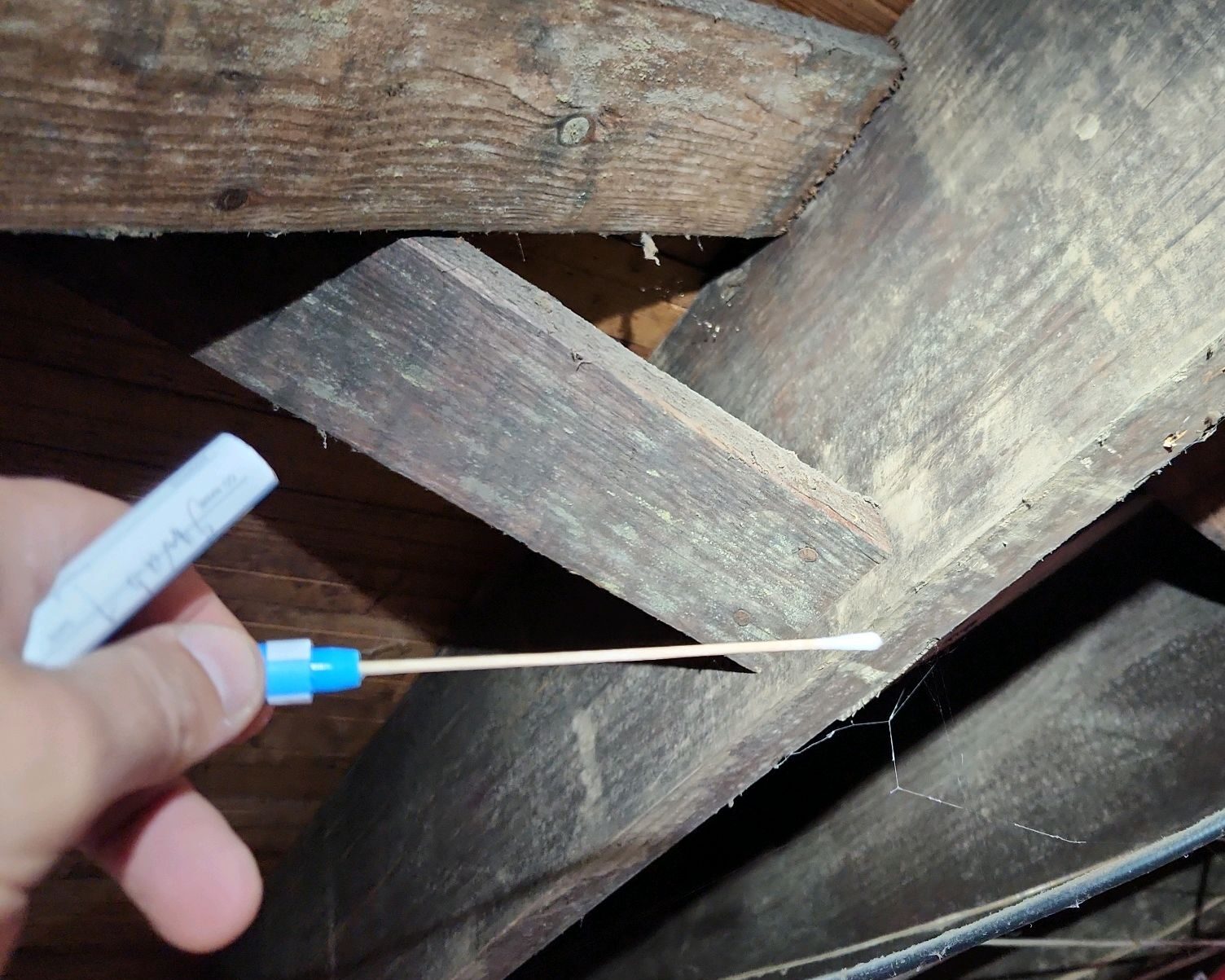
If the inspector suspects mold, they collect samples for laboratory analysis. Surface sampling involves swabbing moldy areas directly. Air sampling measures spore concentrations throughout your home. Both methods provide valuable data about your mold situation.
Professional inspectors use advanced tools to detect hidden problems. Moisture meters identify damp areas behind walls. Thermal imaging cameras reveal temperature differences that suggest water intrusion. These technologies help uncover mold you cannot see.
Signs You Need a Mold Test
Several warning signs indicate you should schedule a mold test. First, visible mold growth on walls, ceilings, or floors demands immediate attention. Second, persistent musty odors often signal hidden mold colonies. Third, recent water damage from leaks or flooding increases mold risk significantly.
Furthermore, unexplained health symptoms may point to mold exposure. If family members experience frequent allergies, headaches, or respiratory problems indoors, consider testing your home. Finally, buying or selling a home warrants a mold inspection for peace of mind.
Tips to Prevent Mold Growth in Your Home
Prevention is the best strategy against mold. Fix water leaks promptly to eliminate moisture sources. Ensure proper ventilation in bathrooms, kitchens, and laundry rooms. Use exhaust fans and open windows when possible.
In addition, maintain indoor humidity below 60 percent. Dehumidifiers work well in damp basements and crawl spaces. Clean and dry water-damaged areas within 48 hours to prevent mold from taking hold. Regular maintenance keeps your home mold-free.

How to Choose a Qualified Mold Inspector
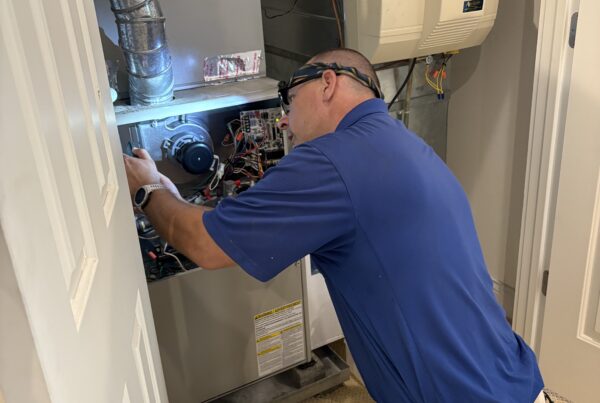
Selecting the right inspector ensures accurate results. Look for certified professionals with proper training in mold detection and adherence to industry standards like those outlined by InterNACHI (mold inspection standards). Check whether your state requires specific licenses for mold inspectors. Experience matters, so ask about their inspection history.
A reputable inspector uses modern equipment and provides detailed reports with clear recommendations. Moreover, they should explain their findings in terms you can understand.
Protect Your Home with Professional Mold Testing
A mold test for your home protects both your property and your health. Early detection prevents costly damage and keeps your family safe. If you notice warning signs or simply want peace of mind, schedule a professional inspection today.
Do not wait for mold problems to escalate. Take action now to ensure your home remains a safe and healthy environment for everyone who lives there.
Ready to schedule your mold inspection? Contact a certified inspector in your area to get started.
